

Ingredient Guide
GET TO KNOW THE INGREDIENTS
Familiar names. A little more understanding.
An ingredient name is the beginning of the story. This guide introduces a few terms you may see on supplement labels, with simple points to look for when reading about a product.
DHA
DHA, or docosahexaenoic acid, is one type of omega-3 fatty acid. Omega-3 supplements can come from different sources, including fish oil and algal oil.
When reading a label, look for the stated amount of DHA—not only the total amount of oil. Check the source and full ingredient list rather than assuming all omega-3 products are the same. NIH ODS: Omega-3 Fatty Acids
Calcium & magnesium
Calcium and magnesium are minerals. A product may contain one, both or a wider combination of nutrients.
Read the declared amount of each nutrient separately. The name of a mineral compound is not, by itself, the amount of that mineral in a serving. Avoid treating two different formulas as interchangeable. NIH ODS: Calcium, Magnesium
Vitamin C
Vitamin C is a water-soluble vitamin, also known as ascorbic acid. It occurs in a variety of fruits and vegetables and is also available in supplements.
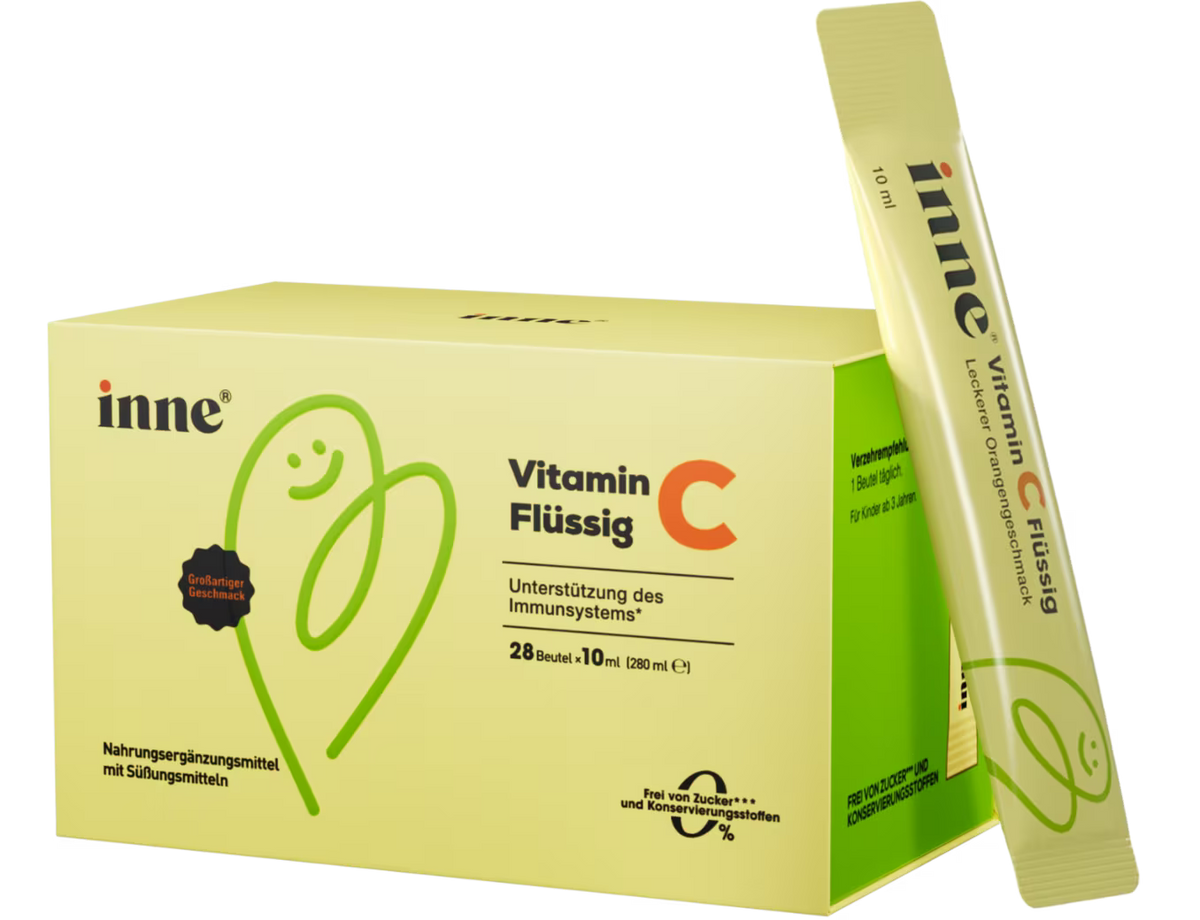
On a product label, distinguish the amount of vitamin C from a fruit flavour or an image on the pack. Flavour alone does not explain the source or quantity of the vitamin. NIH ODS: Vitamin C
Vitamin D
Vitamin D appears in supplements in forms including D2 and D3. Labels may express the quantity in micrograms or international units (IU).
Check the form, units and stated serving carefully. This introduction is not a recommendation to give a child vitamin D or to choose a particular amount. NIH ODS: Vitamin D
Probiotics
Probiotics are live microorganisms that can provide a health benefit when taken in adequate amounts. Their identity matters: look for the genus, species and strain, not only a large number on the front of the pack.
A higher colony-forming unit (CFU) count does not, on its own, establish greater benefit. Check storage instructions and how the stated count relates to shelf life. NIH ODS: Probiotics
Bring the information back to the individual product.
This guide explains ingredient terminology; it does not establish that a particular supplement is suitable or necessary for a child. For personal advice, speak with a qualified healthcare professional. Always read the exact product label, including age guidance, directions and warnings.

Child-focused nutrition for everyday family routines.