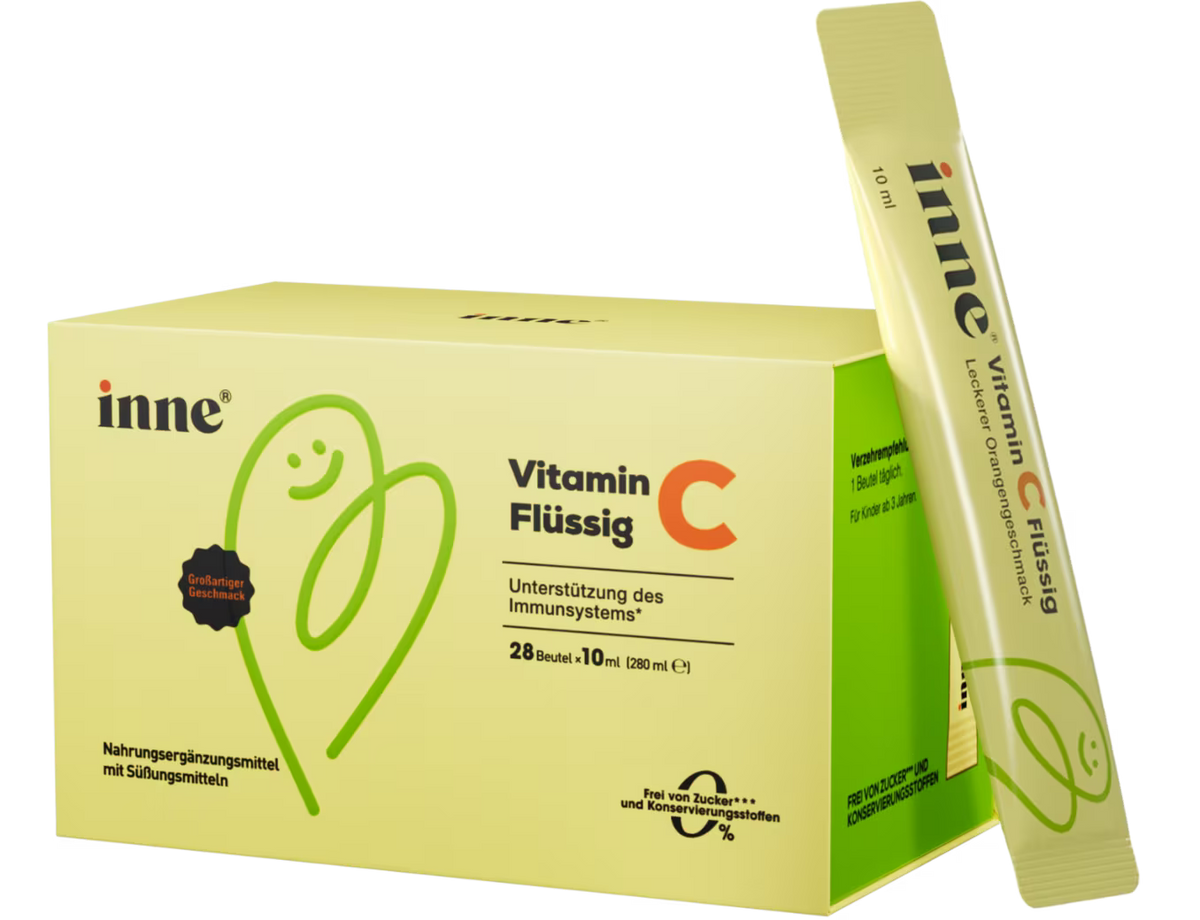

Reading a supplement label, one detail at a time
Start with suitability
Before comparing products, look for the intended user, age guidance, directions and warnings. A children's product name is not a reason to skip the smaller print. If suitability is unclear, pause and ask a pharmacist or doctor rather than assuming that a smaller amount of an adult product will do.
Children need particular care with supplement decisions; professional advice matters more than a familiar format or an appealing flavour. Source: NIH ODS — Dietary Supplements: What You Need to Know.
Read the amount together with its unit
Locate the ingredient name and amount, then check what the amount refers to. Is it stated per tablet, sachet, measured volume or serving? Read this alongside the directions, not as a number on its own. When wording is unclear, ask the supplier to explain the label before use.
HSA's health supplement labelling guidance includes active ingredients and their quantities, directions, warnings and storage conditions among the information to be provided. The printed amount and the product's directions should be read together. Source: HSA — Regulatory overview of health supplements.
Keep the practical details in view
Find the expiry date, batch number and storage instructions. For an overseas-manufactured health supplement, look for the local importer's name and address. These are among the details listed in HSA's guidance. Keep the packaging so that you can refer back to it when asking a question. Source: HSA — Regulatory overview of health supplements.
It may help to take a clear photo of all sides of the pack—not only the front—before a consultation. Do not crop out the directions or warning panel.
Look beyond reassuring words
Natural does not mean risk-free. HSA cautions that combining supplements or using them alongside certain medicines can cause harm. It also explains that health supplements are not pre-approved by HSA, and voluntary notification is not an endorsement. Source: HSA — Getting savvy with health supplements.
Finish with one useful question
If a detail is still unclear, write it down. For example: “Does this amount refer to one sachet or the full recommended serving?” A specific question is more useful than guessing from a picture or another person's experience.
Reading carefully does not mean you must work everything out alone. It helps you recognise when to ask for clarification before making a decision for your child.
General educational information only. Product suitability and use should be confirmed with an appropriate healthcare professional when uncertain.